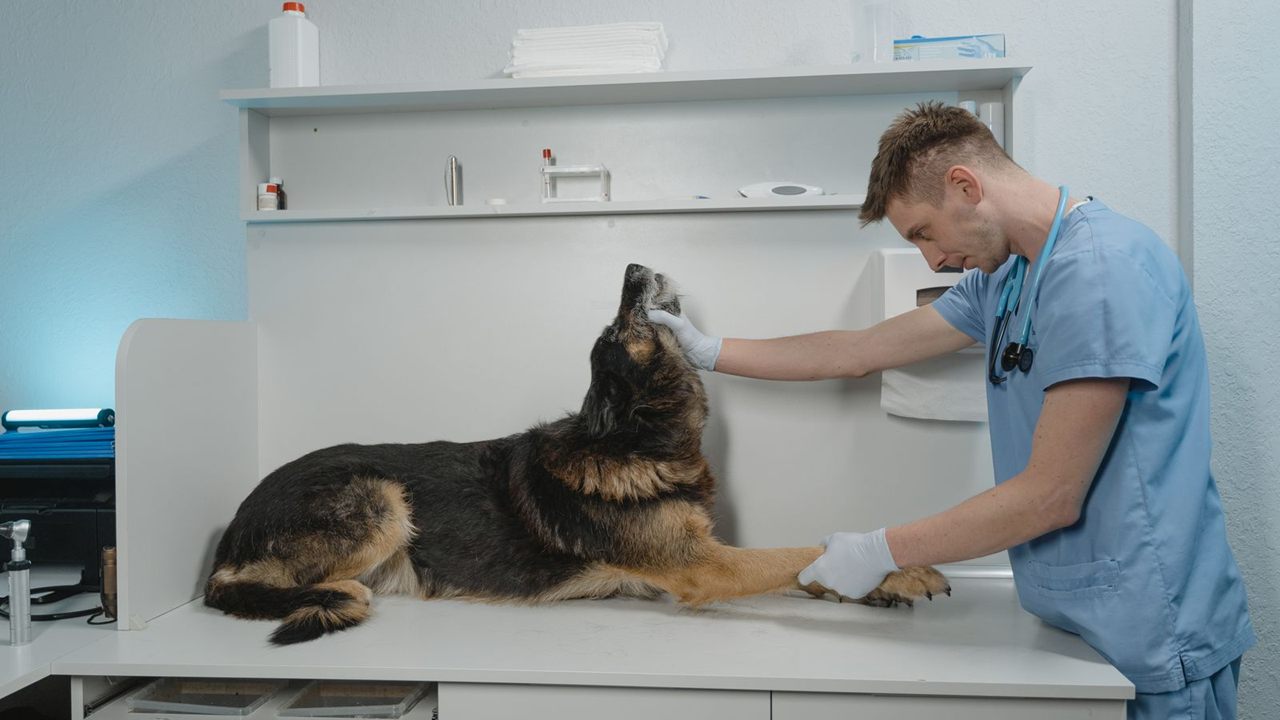
Dentals are the procedures where endotracheal tube (ET tube) security gets tested hardest. The patient is turned at least once, the scaler sprays water into the mouth for long stretches, and the tie sits a few centimeters from a spinning prophy angle. Knowing how to secure an ET tube for dental work is less about the knot and more about where the tie sits and how often you check it.
This guide covers only what changes for dentals. For the basic tying method, start with our guide on how to secure an endotracheal tube in dogs and cats.
Quick answer
Tie the ET tube behind the head, not over the muzzle, with the knot outside the mouth and the tails trimmed short. Use a tie that does not soak up saliva or blood, keep it off the pilot line, confirm the cuff seal before scaling, and recheck tube depth and the tie after every reposition.
Why dentals are harder on the ET tube
A dental puts the whole team's work right next to the airway, so the usual risks stack up.
- Repositioning. Full-mouth work means turning from one lateral to the other, and every turn can twist or pull the tube.
- Water and saliva. Scaler spray, saliva and blood pool around the tube and soak anything absorbent.
- Moving instruments. A handpiece or prophy angle can catch a loose tail and wind it in, tugging the tube.
- Gags and packs. Mouth gags and pharyngeal packs share space with the tube and can kink or shift it.
The AAHA guidance on preventing anesthetic injuries lists tracheal tears, airway occlusion during repositioning and aspiration among the problems dental teams face.
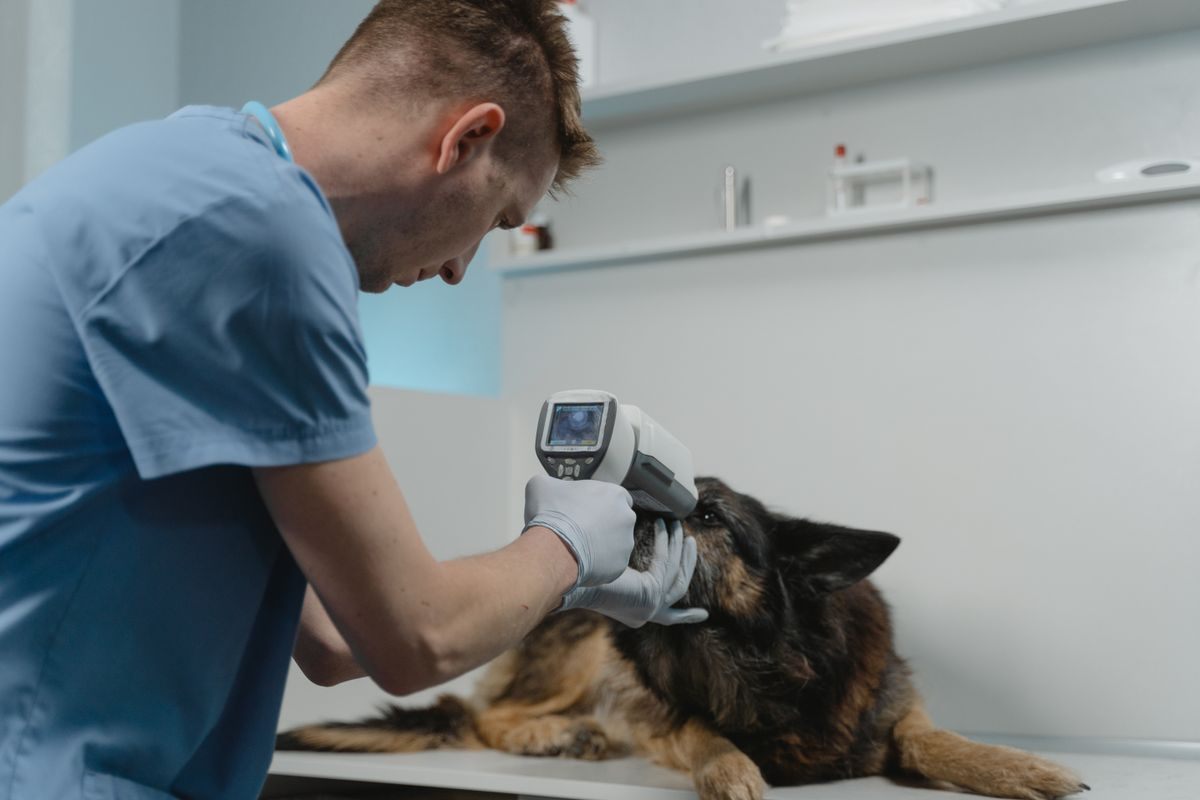
How to secure an ET tube for dental procedures
Our step-by-step guides for tying in an ET tube in a dog and securing an ET tube in a cat cover the knots. The points below are what to change.
Tie behind the head
A tie around the maxilla sits behind the upper canines, which puts it in the field every time you work on the upper arcade. A tie around the mandible gets in the way of the lower teeth and the gag. For dentals, run the tie behind the ears so nothing crosses the teeth.
Keep the knot outside the mouth
- Fix the tie to the tube just outside the incisors, between the connector and the lips.
- Trim the tails short so there is nothing loose for a handpiece to grab.
- Route the tie away from the pilot line. A Veterinary Practice News case described a dog whose cuff would not deflate at extubation because a tie made from IV tubing had been placed over the pilot tube.
Pick a tie that stays dry and visible
Gauze holds saliva, blood and scaler water. It gets heavy, slips on the tube and can wind around the prophy angle, a problem practice teams have described in dvm360 tips and vet nurse forums. A non-absorbent tie that stands out against the drapes is easier to check at a glance.
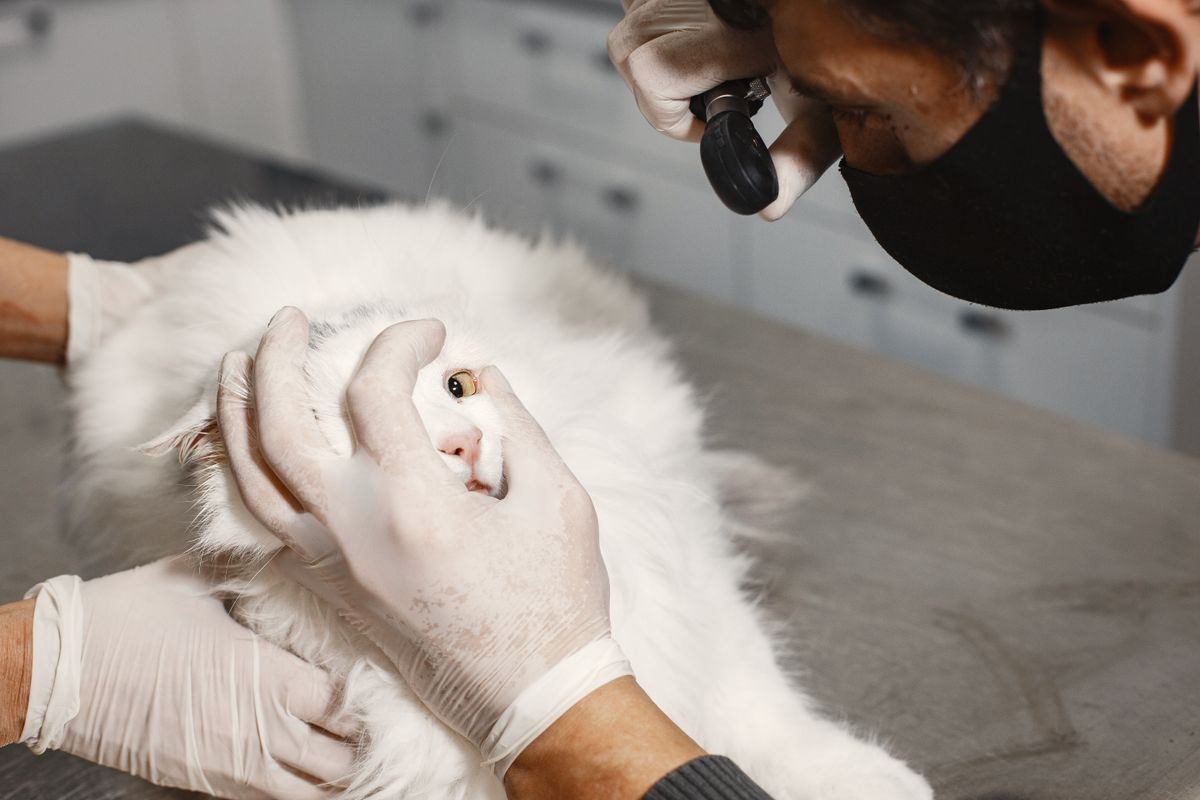
Tie materials compared for dental use
How the common options hold up in a wet mouth. For every option, see our ET tube tie options compared.
| Tie material | Absorbency | Visibility | Handpiece snag risk | Clean-up |
|---|---|---|---|---|
| Roll gauze | High, soaks up saliva, blood and water | Low once wet and stained | High, loose fibers and long tails catch | Soiled, mats into muzzle hair |
| Cotton string or umbilical tape | Moderate to high | Low to moderate | Moderate | Wet and soiled by the end |
| Recycled IV line | None | Low, clear tubing | Low to moderate, stiff loops can catch | Needs washing or discarding, can trap the pilot line |
| Rubber band or tourniquet | None | Varies | Low | Easy, but check it is not narrowing small tubes |
| Trinity disposable trach-tube tie | Does not soak up saliva or blood | Highly visible | Low with short tails and the knot outside the mouth | Discarded after the procedure, does not cling to muzzle hair |
If you are still weighing up gauze, our comparison of gauze and purpose-made ties goes into more detail.
Cuff, gag and throat pack checks before scaling
Confirm the cuff seal
The AAHA material advises lubricating the cuff and inflating it in 0.5 ml increments until no leak is heard when the reservoir bag is squeezed to 16 to 18 cmH2O. Overinflation is a known cause of tracheal tears, especially in cats, so add the least air that seals.
Use gags carefully
Spring-loaded gags in cats have been linked to post-anesthetic blindness. AAHA suggests propping the mouth no more than 2 to 3 cm, for example with a cut syringe cap between the canines. A University of Glasgow thesis also found mouth gags were the most common cause of ET tube constriction, so check the tube inside the mouth after the gag goes in.
Count throat packs in and out
- Place the pharyngeal pack after the cuff check, not before.
- Leave a tail outside the mouth or write the count on the anesthetic record.
- Change saturated packs.
Check the tube after every reposition
AAHA advises disconnecting the breathing circuit from the ET tube before a major turn, using two people, keeping the feet under the patient and avoiding neck flexion. Then run a quick check before work resumes:
- Tube depth at the incisors is unchanged.
- The tie is snug behind the head and still clear of the field.
- The circuit is reconnected and there is no new cuff leak.
- Capnography and pulse oximetry look as they did before the turn.
- The gag and pack have not shifted the tube.
A tie that holds fast to the tube helps prevent the tracheal damage that can occur if the tube is accidentally moved during a turn. That was the thinking behind Trinity disposable ET tube ties, developed by Dr. Billy Davis DVM from more than 23 years in small animal and exotic practice.
Extubation timing after dentals
Dental patients carry extra aspiration risk from water, blood and debris, so get the pharynx clean before the tube comes out.
- Remove every pack and match the count.
- Suction or swab the caudal pharynx with the nose tilted slightly down.
- Untie the tie, deflate the cuff and confirm the pilot balloon is flat.
- Extubate dogs when they swallow. Cats are usually extubated a little earlier to avoid laryngospasm.
Some clinicians withdraw with the cuff slightly inflated to sweep out debris, while others deflate fully, especially in cats. Follow your protocol and never drag a fully inflated cuff through the larynx.
Frequently asked questions
Where should I tie the ET tube for a dental?
Behind the head, with the knot on the tube just outside the incisors. Ties over the maxilla or mandible end up in the working field and get lifted as you work.
Why does gauze catch on the dental handpiece?
Wet gauze frays and its tails hang near the teeth, where a spinning prophy angle winds them in. Short tails and a non-absorbent tie help.
Should I disconnect the circuit when turning a dental patient?
Yes. AAHA advises disconnecting the breathing circuit before a major position change and turning the patient with two people to avoid twisting the tube.
Do I recheck the cuff during a dental?
Check the seal before scaling and again after every reposition. Add air only in small increments to stop a leak, never by a fixed volume.
Making dental anesthesia smoother
A dental-ready tie routine comes down to three things: tie behind the head, keep the tie dry and short, and check it after every turn. See also the 2019 AAHA Dental Care Guidelines for Dogs and Cats and browse all our guides and comparisons. When you are ready to stock up, see our bulk pricing for trach-tube ties or contact us about phone and fax orders.