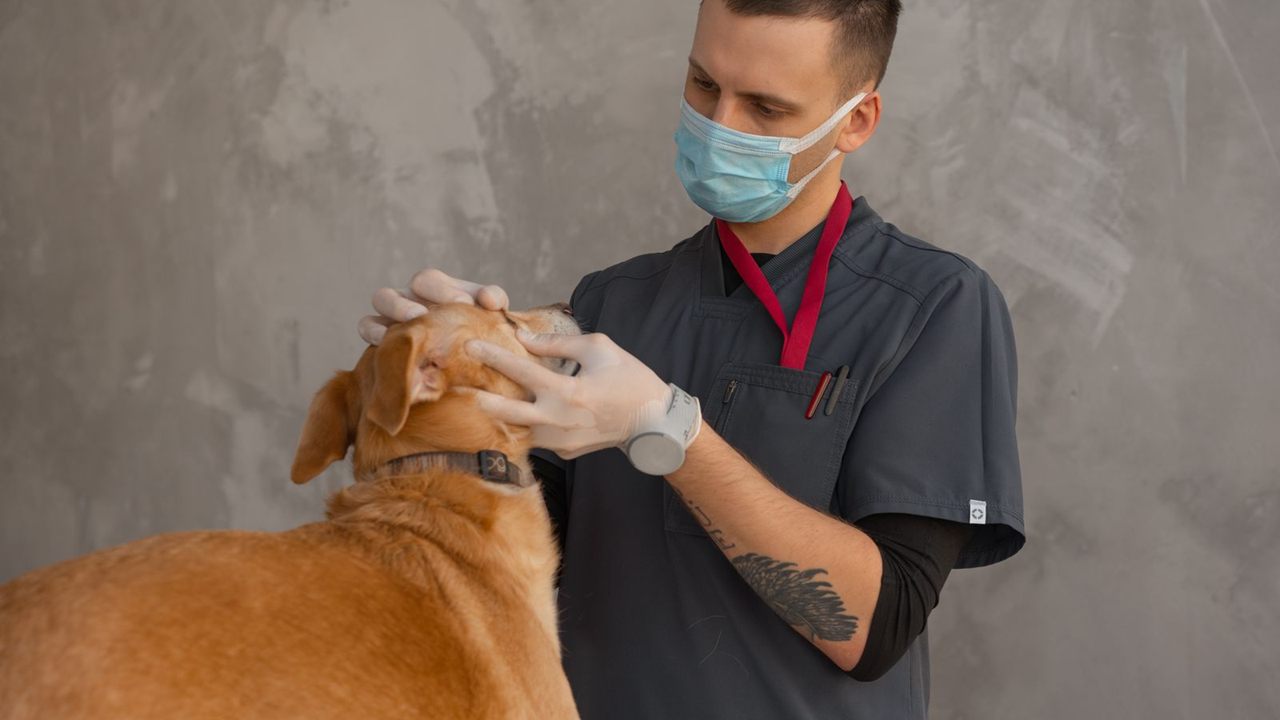
Most practices still tie in the endotracheal tube (ET tube) with a strip torn off a roll of gauze. It is cheap, it is always in the drawer, and everyone learned it in school. The real question behind gauze vs tube ties veterinary teams keep asking is whether that habit holds up once the procedure gets wet, long or busy.
This is a straight head-to-head of roll gauze against purpose-made disposable trach-tube ties, scored on what a tech actually notices at the table.
For IV line, elastic and clasp-style ties, see our guide to ET tube tie options compared.
Quick answer
Roll gauze works for short, dry procedures, but it soaks up saliva, blood and scaler water, its knots tighten and get hard to release, and it clings to muzzle hair. Purpose-made disposable ties stay dry, stay visible under drapes and go in the bin afterward. At $0.25 to $0.34 per tie, the gap in cost per use is small.
Gauze vs tube ties: a veterinary comparison at a glance
| Factor | Roll gauze | Disposable trach-tube tie |
|---|---|---|
| Absorbency | Soaks up saliva, blood and scaler water | Does not soak up saliva or blood |
| Grip when wet | Gets heavy and stretches as it saturates | Holds fast to the tube |
| Knot release | Wet knots cinch down and resist untying | Stays dry, so easier to handle at extubation |
| Muzzle hair | Fibers cling and can mat into long coats | Does not bind or cling to hair |
| Visibility under drapes | White, blends with drapes and sponges | Highly visible |
| Prep time | Measure, tear, sometimes double up | Pull one from the container |
| Clean-up | Soiled, slimy strip to cut off and handle | Discard after the procedure |
| Cost per use | Varies by supplier, plus staff time | $0.25 to $0.34 by volume |
Absorbency: saliva, blood and scaler water
Gauze is designed to absorb, which is what you want on a wound and not on an ET tube. During a dental the strip sits in a steady stream of scaler water, saliva and blood.
Within minutes it is saturated, wicking fluid toward the muzzle or the back of the head. That soggy band of oral contamination then sits against the patient's face for the rest of the procedure.
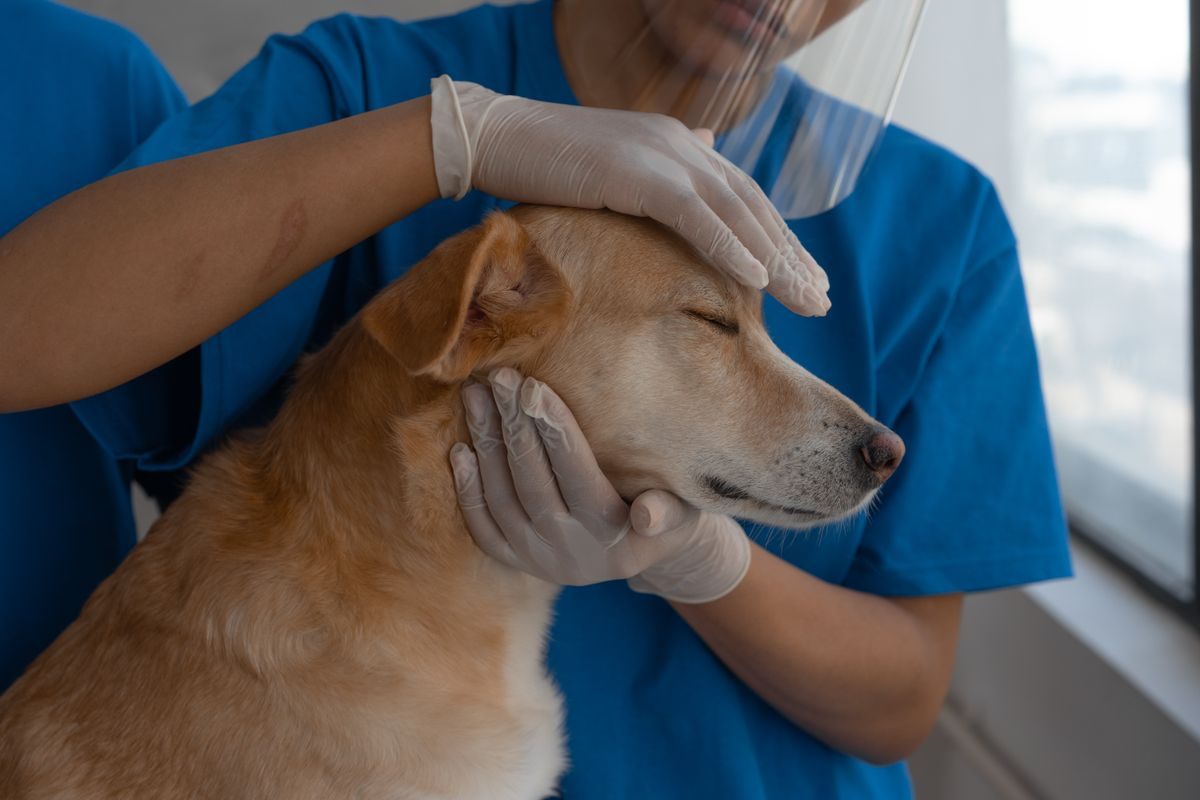
Trinity ties do not soak up saliva or blood, which is why they suit dentals and other oral surgery. For the full dental workflow, see our guide to securing the ET tube for veterinary dentals.
Grip when wet and knots that will not let go
Saturated gauze gets heavier and stretches, so the knot you tied at intubation is not the knot holding the tube an hour later.
Loosening during the procedure
- Every turn for the other arcade or for radiographs loads a wet strip.
- A stretched strip lets the tube slide in or out, which matters for cuff position and tracheal safety.
- Re-tying mid-procedure means reaching into a wet, crowded field.
Hard to release at extubation
At the end, a wet gauze knot cinches down and is hard to undo quickly, so techs often cut it with scissors right next to the pilot balloon line. That is a fiddly step just when you want a smooth extubation.
A purpose-made tie holds fast to the tube, helping prevent the tracheal damage that can occur if the tube is accidentally moved. Because it stays dry, it is also easier to handle when you extubate.
Hair cling and matting
Gauze fibers grab hair. On a Lab it barely matters, but on a Shih Tzu, Yorkie or Persian a wet strip picks up hair and can mat into it as it dries.

Untangling or trimming that hair adds recovery time. Trinity ties do not bind or cling to muzzle hair.
Visibility under drapes
White gauze blends into white drapes, sponges and towels. A tie you cannot see is easier to snag with a hose or catch with a handpiece.
One practice described in a dvm360 practice tip stopped using gauze strings because the gauze often wound around the prophy angle during dentals. Trinity ties are highly visible, so the anesthetist can see at a glance where the tie runs.
Prep time and clean-up
Before the procedure
Gauze means unrolling, measuring and tearing a strip for every patient. With disposable ties you pull one from its container and secure it to the tube.
After the procedure
Removing a soiled gauze tie means handling a slimy, contaminated strip and wiping down whatever it dripped on. A veterinarian writing in dvm360 moved away from gauze partly because tying it was slower and harder to clean up.
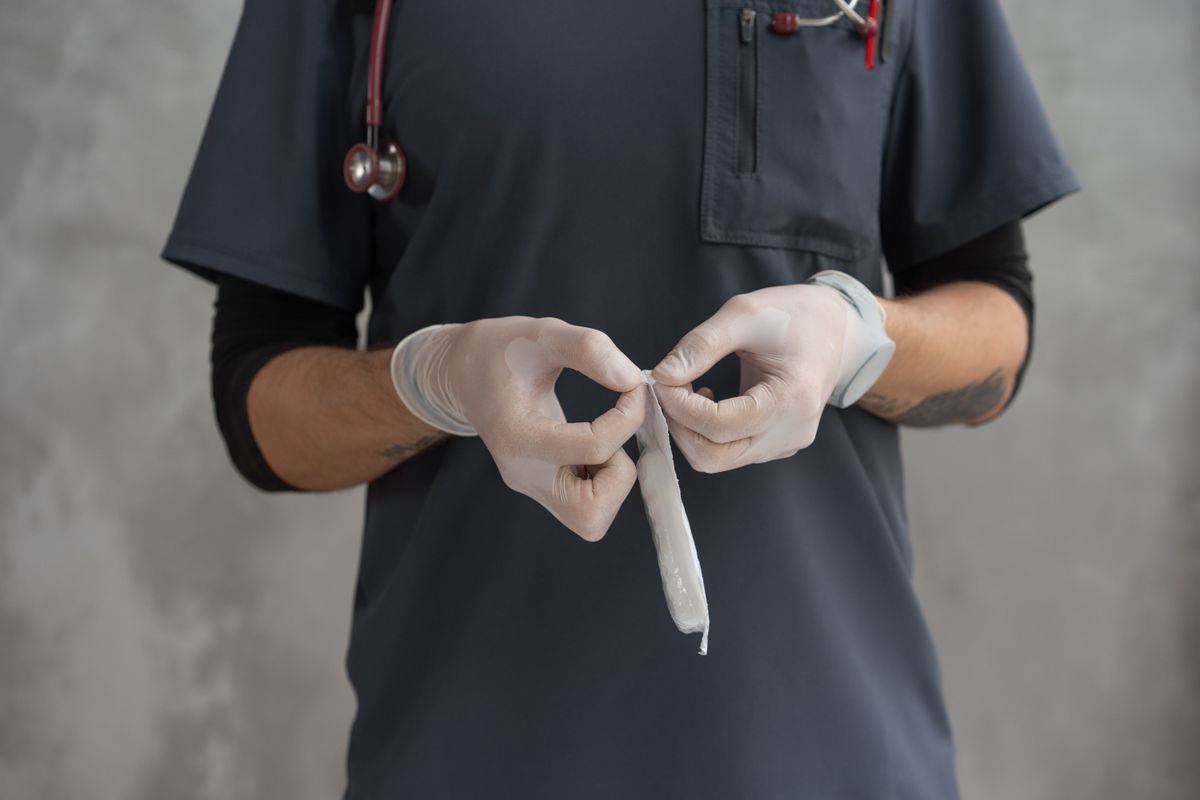
Disposable ties are cleaner than gauze, which simplifies surgical prep and clean-up. You discard the tie after the procedure, so nothing soiled goes back near the anesthesia cart.
Waste and cost per use
Gauze looks free because it is already on the shelf. The real cost is the extra length you tear, strips binned before use, and staff minutes spent preparing, re-tying and removing it.
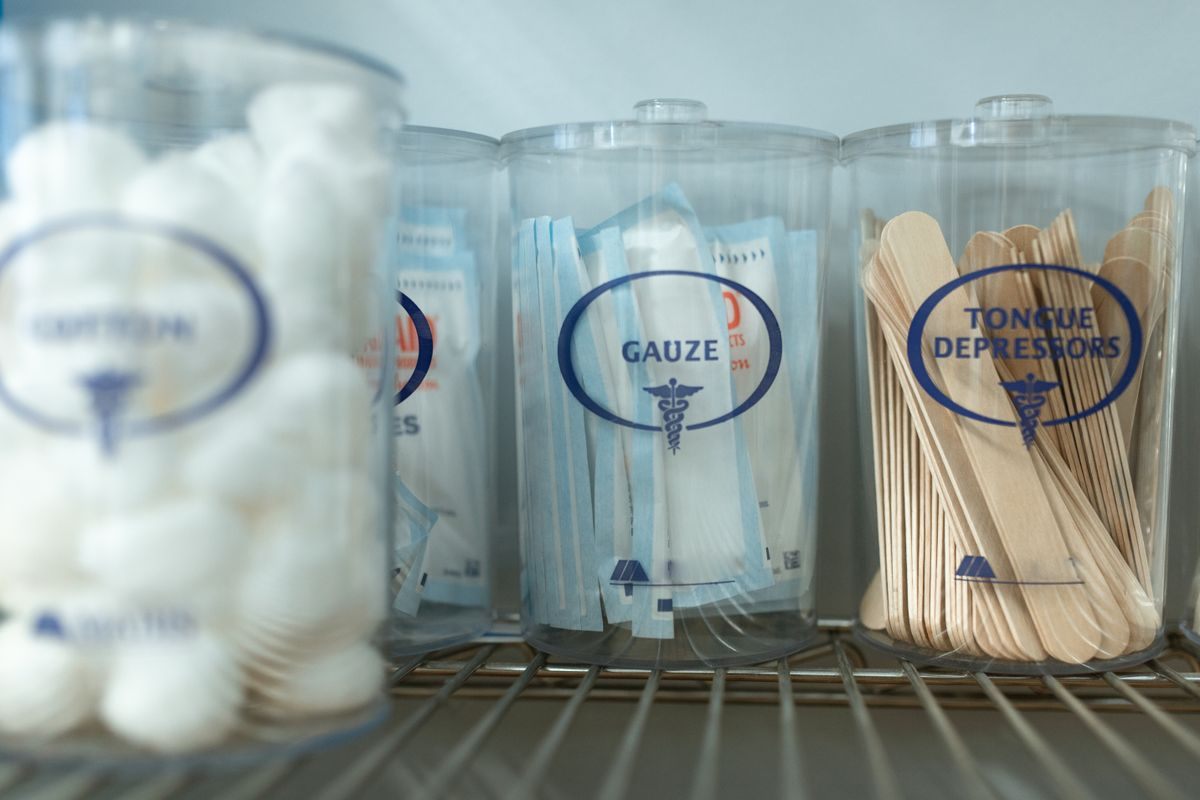
Gauze pricing varies by supplier and pack size, so work out your own figure. Trinity ties run $0.34 each at 100 ties, falling to $0.25 each at 600 or more; the full tier table is on our bulk pricing and online ordering page.
Pros and cons of each option
| Roll gauze pros | Roll gauze cons |
|---|---|
| Already stocked in every practice | Absorbs saliva, blood and scaler water |
| Familiar technique for all staff | Wet knots loosen or cinch tight |
| Length can be cut to any patient | Clings to and mats muzzle hair |
| Low upfront cost | Hard to see and slow to prep and clean up |
| Trach-tube tie pros | Trach-tube tie cons |
|---|---|
| Does not soak up saliva or blood | A separate line item to order and stock |
| Holds fast to the tube | Staff need a short changeover from habit |
| Highly visible, no hair cling | No use if you run out mid-day |
| Pull, secure, discard | Small per-use cost |
When gauze is fine
Gauze still does the job in some cases:
- Short, non-oral procedures where the tie stays dry.
- Short-coated patients, where hair cling is not an issue.
- Emergencies, or the day the tie container runs out. A gauze tie beats an unsecured tube every time.
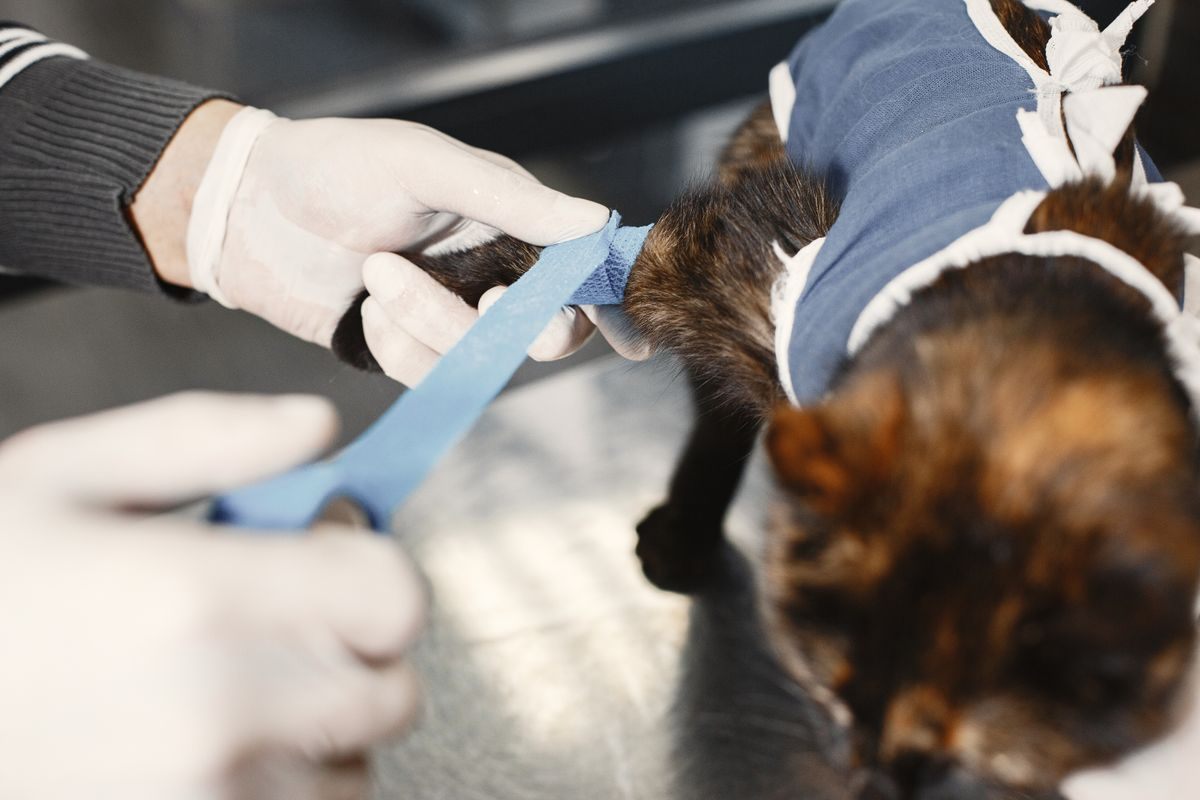
Gauze struggles in dentals, oral surgery, long procedures and long-coated breeds. That is why many practices keep gauze for bandaging and use a purpose-made tie on the tube.
FAQ
Is gauze safe for tying in an ET tube?
Yes, when it is tied correctly and stays dry. The problems start when it gets wet: it loosens or cinches, soaks up oral fluids and is harder to remove cleanly.
Why does a gauze ET tube tie stick to muzzle hair?
Gauze is a loose woven fiber. Fibers catch hair, and when the strip is wet and then dries, it can mat into long facial coats.
Are disposable trach-tube ties worth the cost compared with gauze?
At $0.25 to $0.34 per tie, the per-use cost is small. The value shows up in less prep, simpler clean-up and fewer re-ties, especially on dental days.
Can I reuse a trach-tube tie?
No. Trinity ties are single-use: secure one to the tube and discard it after the procedure.
Trinity ties were developed by Dr. Billy Davis DVM from more than 23 years in small animal and exotic practice. See the disposable ET tube ties product page, our pillar on how to secure an endotracheal tube, and species guides for tying in an ET tube in a dog and securing an ET tube in a cat. Browse all our guides and comparisons, or contact us about phone and fax orders.