
Every anesthetic starts the same way: the endotracheal tube (ET tube) goes in, the cuff goes up, and someone reaches for whatever the clinic uses to tie it in. If you are asking what the best way to secure an ET tube in veterinary patients is, the honest answer is that it depends on the procedure, the patient and how much saliva, blood and repositioning you expect.
Gauze, string, old IV lines, rubber bands, tape, reusable clasp ties and single-use ties all hold a tube. They do not all hold it equally well once wet. This guide compares them side by side so your team can choose on purpose, not by habit.
Quick answer
The best way to secure an ET tube in dogs and cats is a tie that grips the tube without absorbing fluid, stays visible, does not cling to hair and releases quickly. Gauze and string work for short, dry procedures. For dentals, oral surgery and long cases, a non-absorbent tie, ideally single use, holds better and cleans up faster.
Why the tie matters more than it looks
A tie stops the tube sliding or rotating, so the cuff stays where you placed it. Tube movement during repositioning or a dental is what puts the tracheal mucosa at risk.
The tie can cause problems too. A 2023 University of Glasgow MVM thesis on endotracheal tube complications in anaesthetised cats and dogs found silicone and smaller tubes constricted under far less tie force than PVC, and stretch fabric was the material most likely to constrict the lumen. The plastic tie tested tended to loosen on its own. Whatever you use, tension and re-checks matter.
ET tube tie options compared: the best way to secure an ET tube in veterinary practice
| Option | Grip when wet | Absorbency | Visibility | Hair cling | Speed | Clean-up and infection control | Reusable or disposable | Cost per use |
|---|---|---|---|---|---|---|---|---|
| Roll gauze | Poor, knots slip and swell | High, wicks saliva and blood | Low, white on white drapes | Moderate | Moderate | Soiled and soggy, discard | Disposable | Varies, low |
| Umbilical tape or string | Fair | Moderate to high | Low to moderate | Moderate | Moderate | Absorbs fluid, discard | Disposable | Varies, low |
| Recycled IV line | Good if knotted well | None | Low, clear tubing | Low | Slow to prepare, fast to tie | Needs cleaning and cutting in-house | Usually single use | Varies, staff time |
| Elastic band or tourniquet loop | Good | None | Varies by color | Moderate, can pull hair | Fast | Often reused, must be cleaned | Either | Varies, low |
| Adhesive tape | Poor once wet | Moderate | Moderate | High, sticks to fur | Slow | Residue on tube and hair | Disposable | Varies, low |
| Reusable clasp tie (for example Jorgensen EZ Tie) | Good, held by clasps | None | Varies | Low | Fast once learned | Clean between patients, listed as not autoclavable | Reusable | Varies, spread over reuses |
| Single-use disposable tie (Trinity) | Holds fast, does not soak up fluid | Does not soak up saliva or blood | High | Does not cling to muzzle hair | Fast, pull from container and tie | Discard after the procedure | Disposable | $0.25 to $0.34 per tie by volume |
Each option at a glance
Roll gauze
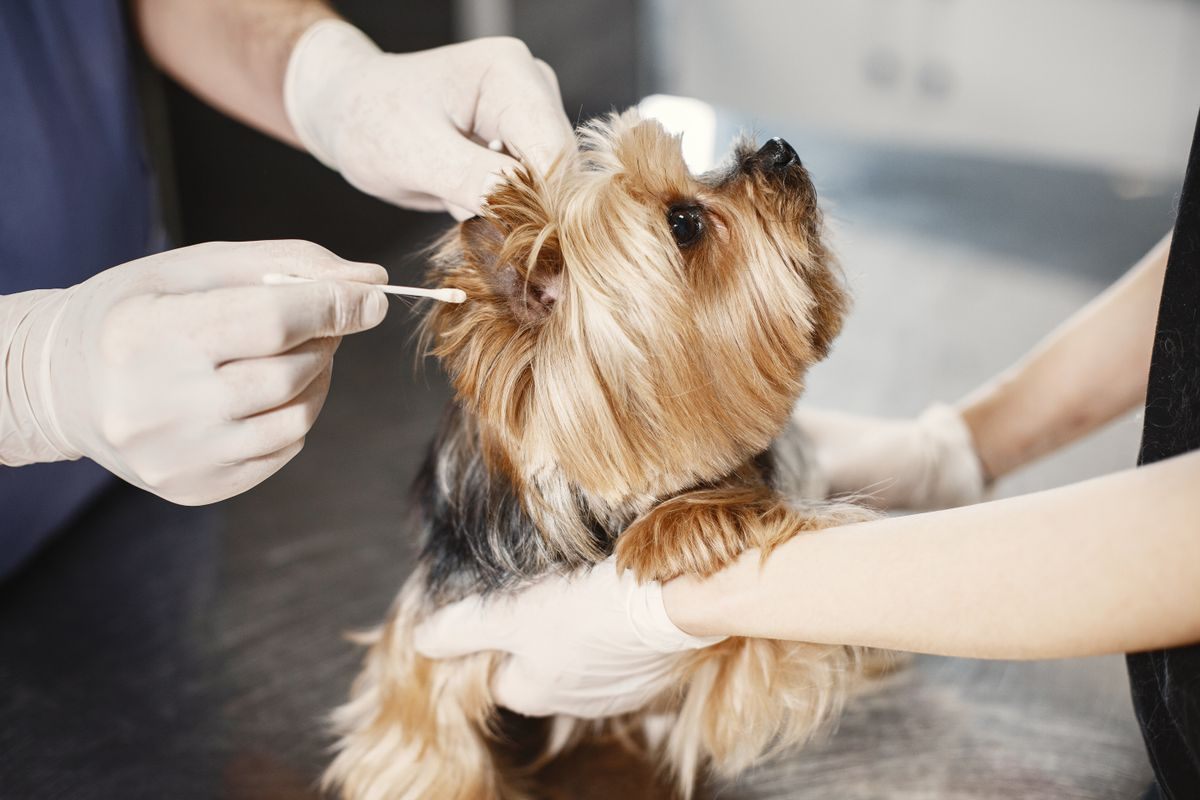
Gauze is the default because it is already on the shelf, and a bow behind the ears releases fast. Once wet it wicks saliva and blood, the knot slips, and it disappears against drapes.
For the full detail, see gauze vs purpose-made trach-tube ties.
Umbilical tape or string
Umbilical tape or string is stronger than gauze but still absorbs fluid. It is fine for a short, dry procedure.
Recycled IV line
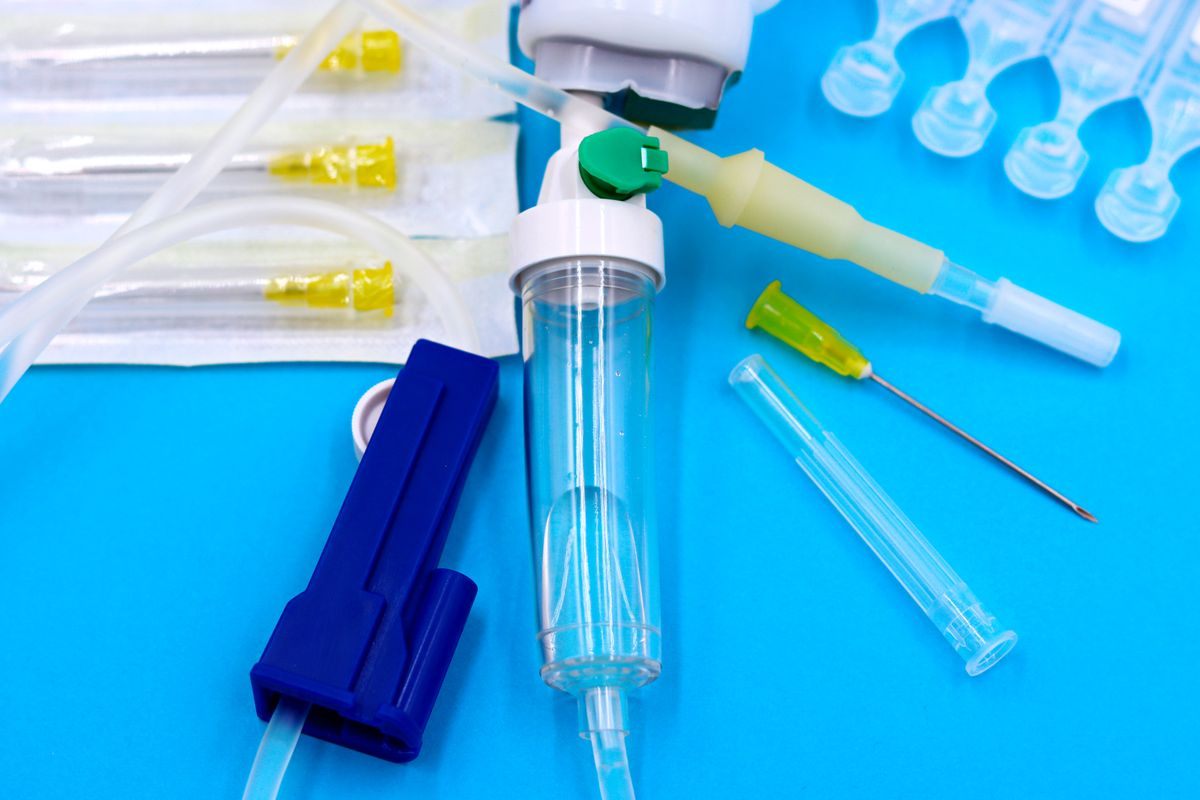
Cut-down IV lines do not absorb saliva or wind around a prophy angle. The costs are staff time to clean and cut them, clear tubing that is hard to see, and the risk of the tie crossing the pilot line, which can stop the cuff deflating at extubation.
Elastic band or tourniquet loop
A tourniquet twisted into a figure-eight around the tube and muzzle is fast and non-absorbent. But elastic keeps squeezing, and stretch material was the likeliest to constrict in the Glasgow work, so take care with small or silicone tubes.
Adhesive tape
On a muzzle, tape grabs fur, loses grip once wet and leaves residue on the tube. Re-securing means peeling it off with gloved hands, which is slow mid-case.
Reusable clasp ties
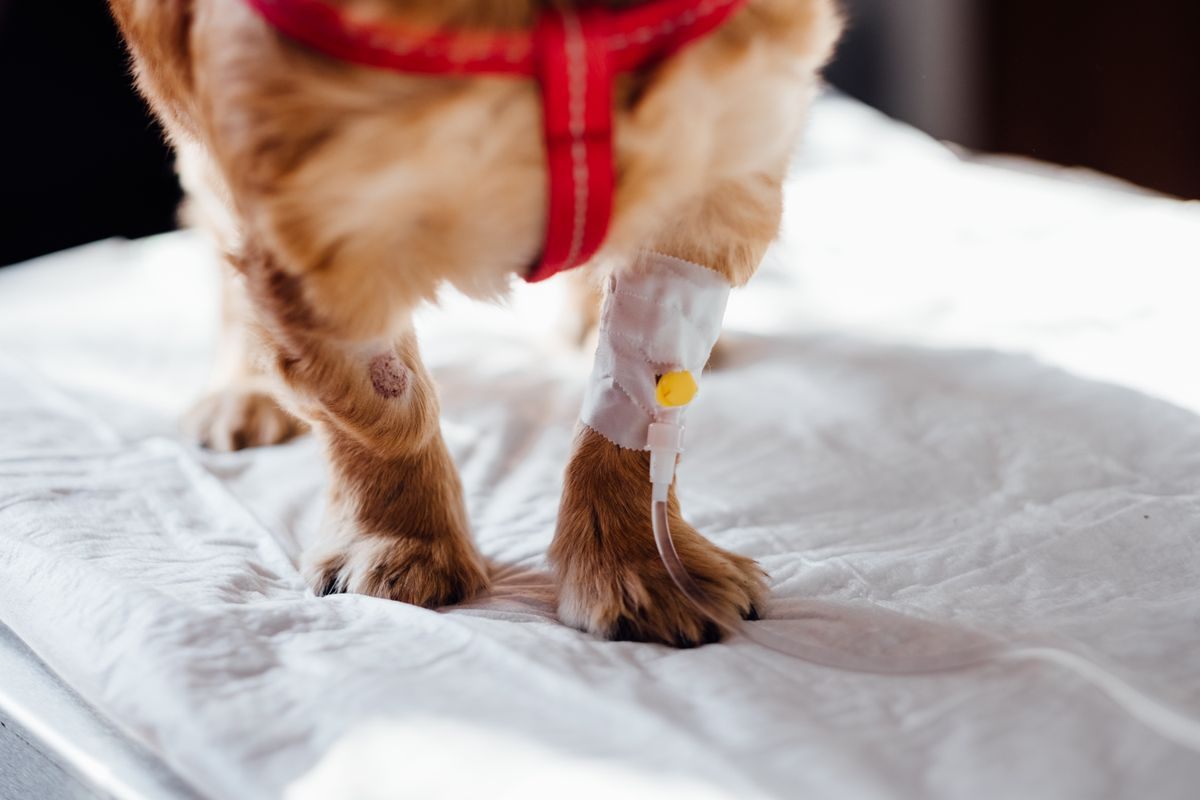
The Jorgensen EZ Tie, sold through distributors, is plastic tubing with two sliding clasps: one around the ET tube or mask, one around the muzzle. Listings describe it as reusable and suited to brachycephalics and cats, and not autoclavable. When weighing an EZ Tie alternative, the trade-off is cleaning between patients versus discarding each time.
Single-use disposable ties
Trinity disposable ET tube ties were developed by Dr. Billy Davis DVM from more than 23 years in small animal and exotic practice. They are highly visible, do not cling to muzzle hair, do not soak up saliva or blood, and hold fast to reduce tube movement. Pull one from the container, tie it in, discard it afterwards.
Pros and cons of each et tube securing device
| Option | Pros | Cons |
|---|---|---|
| Roll gauze | Always in stock, quick bow release | Soaks up fluid, slips when wet, hard to see |
| Umbilical tape or string | Stronger than gauze, cheap | Still absorbent, knots tighten when wet |
| Recycled IV line | Non-absorbent, reuses waste | Prep time, clear and hard to see, pilot line risk |
| Elastic band or tourniquet | Very fast, grips when wet | Constant squeeze, can pull hair |
| Adhesive tape | Familiar, on hand | Sticks to fur, fails when wet, residue |
| Reusable clasp tie | Adjustable, quick, non-absorbent | Must be cleaned between patients |
| Single-use disposable tie | Visible, non-absorbent, no cleaning | Ongoing per-tie cost |
Which endotracheal tube tie option to use when
- Dentals and oral surgery: a non-absorbent tie clear of the prophy angle. See securing the ET tube for veterinary dentals.
- Short, dry procedures: gauze or string is acceptable if it stays dry.
- Cats and small or silicone tubes: avoid stretch materials. See securing an ET tube in a cat.
- Brachycephalic dogs: tie behind the head. See tying in an ET tube in a dog.
- Repeated repositioning: a tie that holds when wet and re-tensions quickly.
- Infection control: single-use ties remove the cleaning step.
Checks that apply whatever you tie with
- Keep the tie off the pilot line and cuff inflation valve.
- Snug, not tight: the tube should not slide, but the tie should not dent it.
- Use a knot or clasp you can release in seconds.
- Disconnect the breathing system before turning the patient, then re-check the tie.
The step-by-step technique is in our pillar guide on how to secure an endotracheal tube in dogs and cats.
FAQ
What is the best way to secure an ET tube in veterinary patients?
Use a non-absorbent, visible tie that does not cling to hair and releases fast, matched to the procedure. Re-check tension after every position change.
Is recycled IV line a safe ET tube tie?
It works and does not absorb fluid, but it takes prep time, is hard to see, and must stay off the pilot line so the cuff can deflate.
Can a tie constrict the ET tube?
Yes. Glasgow bench work found silicone and smaller tubes constrict with less tie force, and stretch fabric was most likely to cause it. Tie snugly, not tightly.
What is a good EZ Tie alternative?
If you want a non-absorbent tie without cleaning between patients, a single-use disposable tie such as Trinity is the main alternative to a reusable clasp tie.
Choosing your clinic standard
Pick one default tie for routine cases and one for dentals. To trial disposable ties, see bulk pricing for Trinity Trach-Tube Ties, contact us with questions, or browse all our ET tube guides and comparisons.