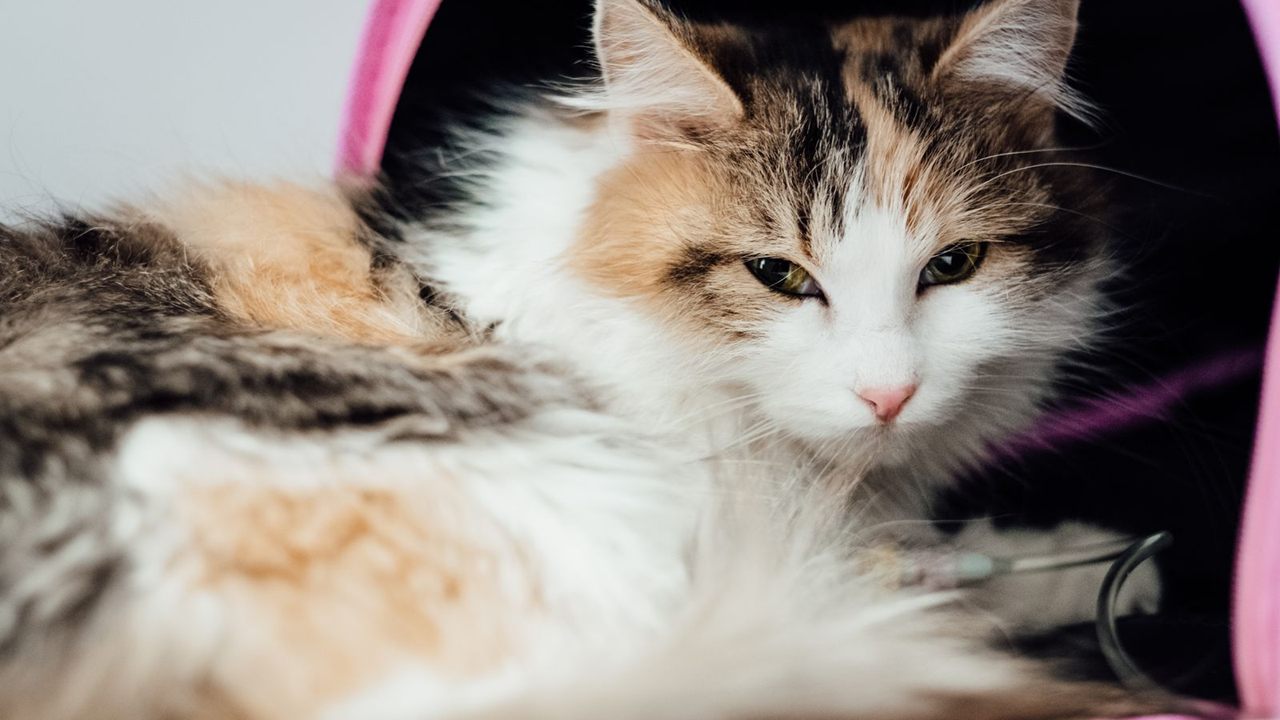
Knowing how to secure an endotracheal tube in a cat matters more than the same skill in a dog. The feline airway is small, reactive and easy to injure, and the endotracheal tube (ET tube) you are protecting may have an internal diameter of only 3 mm. A tie that is fine on a Labrador can slip, kink or narrow that tube in a cat.
This guide covers the feline specifics: tie placement, cuff inflation, repositioning, fur and extubation timing. For the general technique across species, start with our pillar guide on how to secure an endotracheal tube in dogs and cats.
Quick answer
Tie the ET tube snugly near the connector, check the lumen is not narrowed, then tie behind the head rather than around the short feline muzzle. Inflate the cuff to minimal occlusive volume only, keep the tie off the pilot line, and always disconnect the breathing circuit before turning the cat.
Why securing an ET tube in a cat is different
Three things change how you tie the tube in a cat.
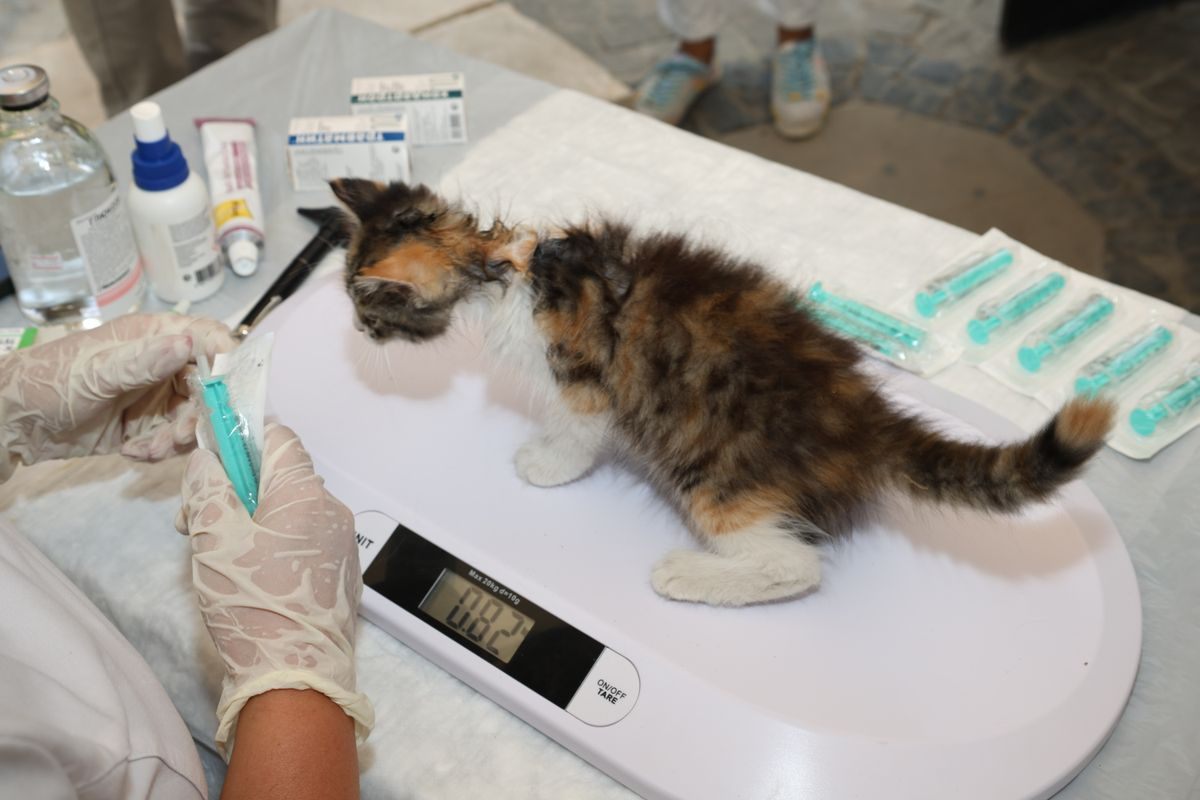
- Small tubes. Most adult cats take roughly a 3.0 to 4.5 mm ID tube, and kittens smaller still. A tie pulled tight can compress a soft tube wall and raise resistance.
- A reactive larynx. Feline arytenoids close hard when stimulated. Any tube movement after intubation is a fresh stimulus.
- A fragile trachea. Tracheal tears in cats are well documented, and both cuff pressure and tube movement are implicated.
Laryngospasm and topical lidocaine
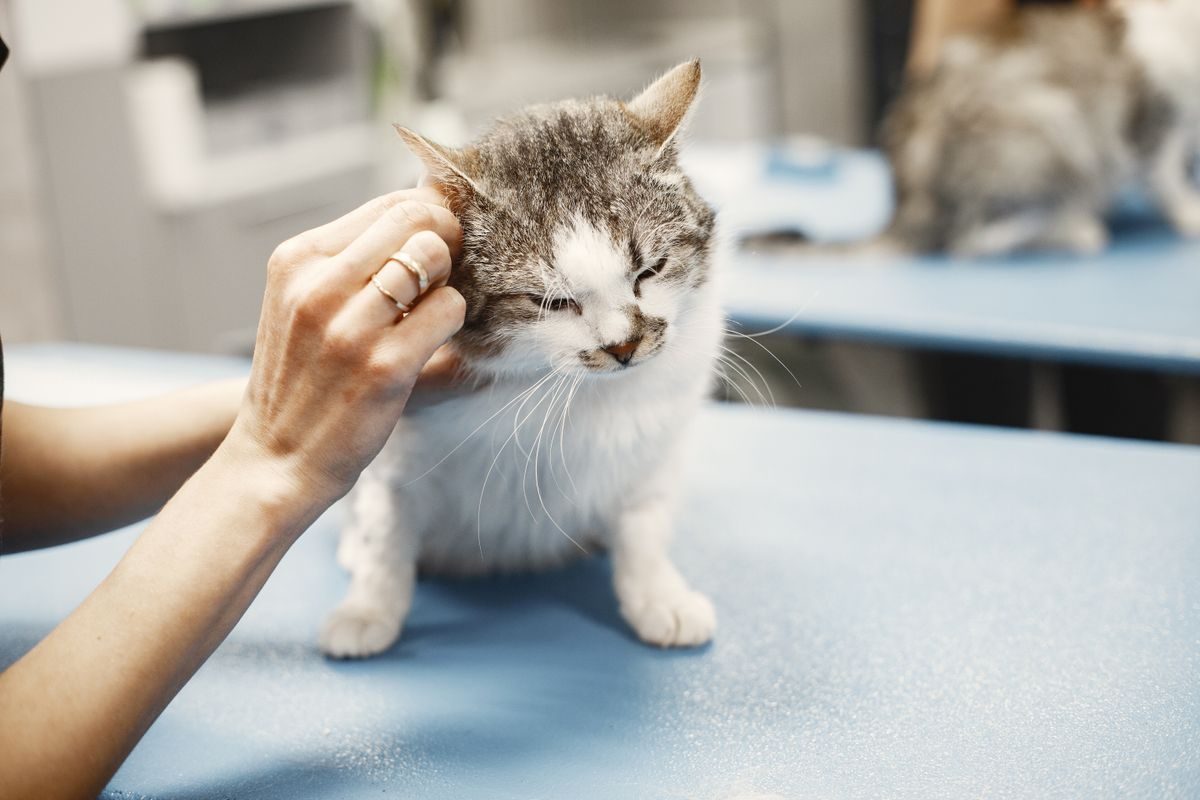
Securing starts with a clean, single intubation. Spray or drip topical lidocaine onto the arytenoids and wait before passing the tube. Sources cite anywhere from 30 to 90 seconds.
Pass the tube on inspiration, never through closed cords. Once it is in, hold it still at the incisors until the tie is on. Early movement can trigger spasm or edema.
How to secure an endotracheal tube in a cat, step by step
- Measure first. Pre-measure the tube from incisors to thoracic inlet so you know where it should sit at the teeth.
- Tie to the tube. Place the tie near the connector, where the wall is stiffer, and snug it without cinching.
- Check the lumen. Look for kinking or a waist at the tie. Give a breath and feel compliance. A rising capnograph baseline or increased bag resistance after tying is a warning sign.
- Clear the pilot line. Route the tie so it never crosses the pilot balloon line. A tie over the line can stop the cuff deflating at extubation.
- Tie behind the head. Take both ends behind the ears and tie a quick-release bow.
- Inflate last, and minimally. Only after the tube is fixed, inflate the cuff (see below).
Behind the head vs around the maxilla
In dogs with a long muzzle, a tie around the maxilla holds well. A cat's muzzle is short and tapered, so a maxillary tie tends to slide forward off the nose, especially once the head is moved.
Tying behind the head anchors against the occiput instead. It also keeps the mouth clear for oral work. For flat-faced breeds such as Persians, behind the head is usually the only option that holds. Our dog guide covers tying in an ET tube in a dog, where the maxilla is often the better anchor.
Cuff inflation: less is safer
Many clinicians use uncuffed tubes in cats. If you do cuff, use a low-pressure high-volume cuff and inflate to minimal occlusive volume: give a breath to about 20 cm H2O and add air only until the leak just stops.
Use a cuff manometer rather than squeezing the pilot balloon. In a multi-center retrospective of tracheal rupture associated with intubation in cats, the authors pointed to cuff overinflation and to repositioning without disconnecting the tube as likely contributors, and most cases followed dental procedures.
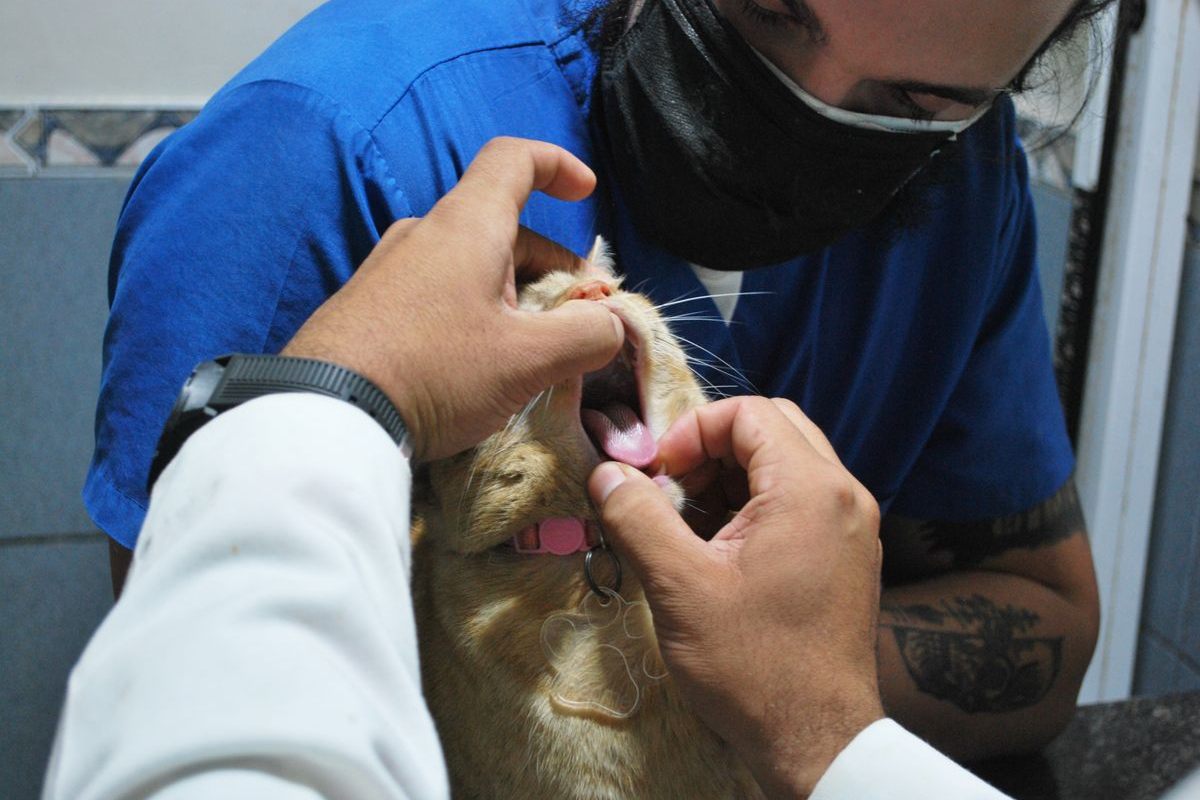
Packing the pharynx protects against aspiration better than a harder cuff. For the full dental workflow, see securing the ET tube for veterinary dental procedures.
Disconnect before you turn the cat
If you roll a cat while it is still attached to the breathing circuit, the circuit acts as a lever and the tube rotates in the trachea. With an inflated cuff gripping the mucosa, that twist can tear it.
- Disconnect the circuit at the connector.
- Turn the head, neck and tube as one unit.
- Reconnect, then recheck tube depth and the tie.
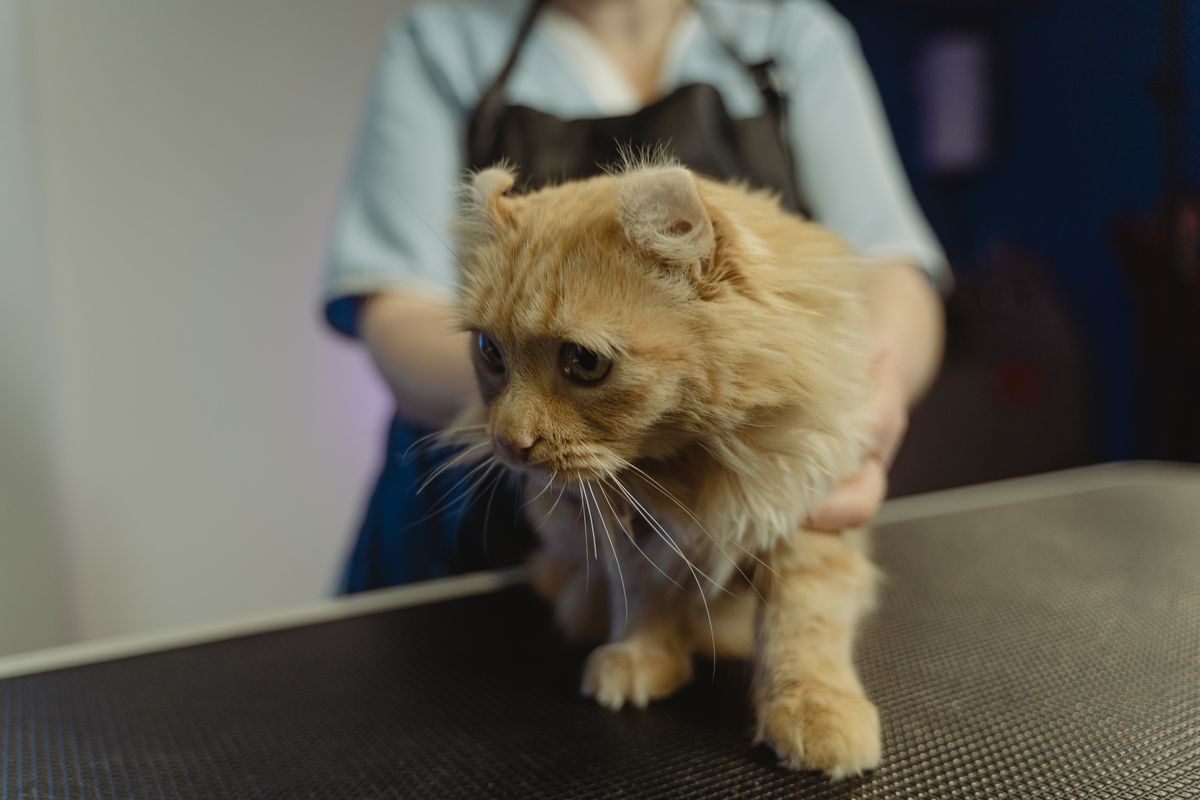
Cat vs dog: what changes when you secure the tube
| Factor | Cat | Dog |
|---|---|---|
| Typical tube size | Small, about 3.0 to 4.5 mm ID | Wide range by breed |
| Usual tie anchor | Behind the head | Maxilla, mandible or behind the head |
| Laryngospasm risk | High, use topical lidocaine | Lower |
| Cuff approach | Uncuffed or minimal occlusive volume | Cuffed, pressure checked |
| Tie constriction risk | Real with small soft tubes | Lower with larger tubes |
| Extubation timing | Just before swallowing returns | At return of swallowing, later in brachycephalics |
Fur and hair considerations
Long-haired cats add a practical problem. Gauze and tape pick up fur, mat into the coat behind the ears and drag on the tie line when you adjust it.
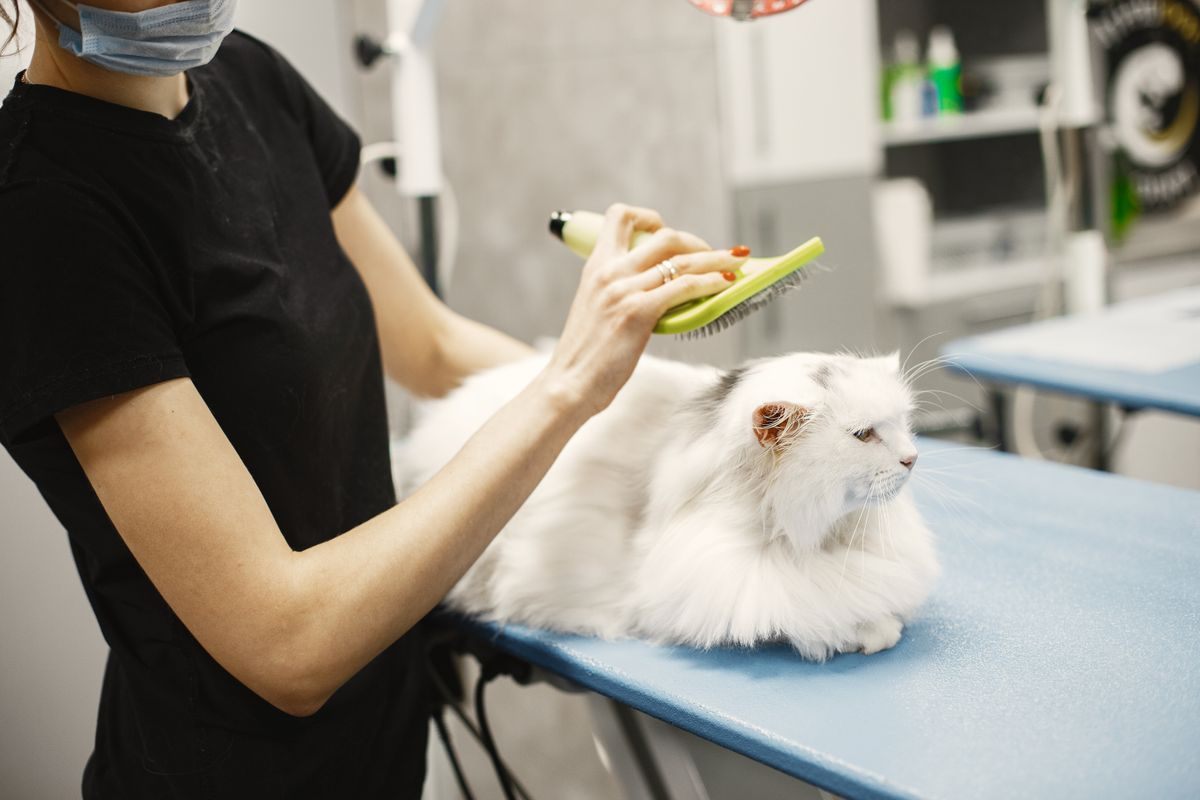
Part the coat so the tie sits close to the skin behind the ears, and keep the tie visible so nobody loses track of it under drapes. Our comparison of gauze vs purpose-made trach-tube ties goes into material choice in more detail.
Extubation timing in cats
Extubate cats a little earlier than dogs. The usual teaching is to deflate the cuff fully and remove the tube just before the swallow reflex returns, as ear flicks and jaw tone come back. Waiting for active swallowing risks stimulating the larynx into spasm.
Untie the tie first, confirm the cuff is empty, then withdraw in one smooth motion. Have oxygen, a laryngoscope and a smaller tube ready, because reintubating a cat in spasm is hard. The AAFP Feline Anesthesia Guidelines are a sound reference for recovery monitoring.
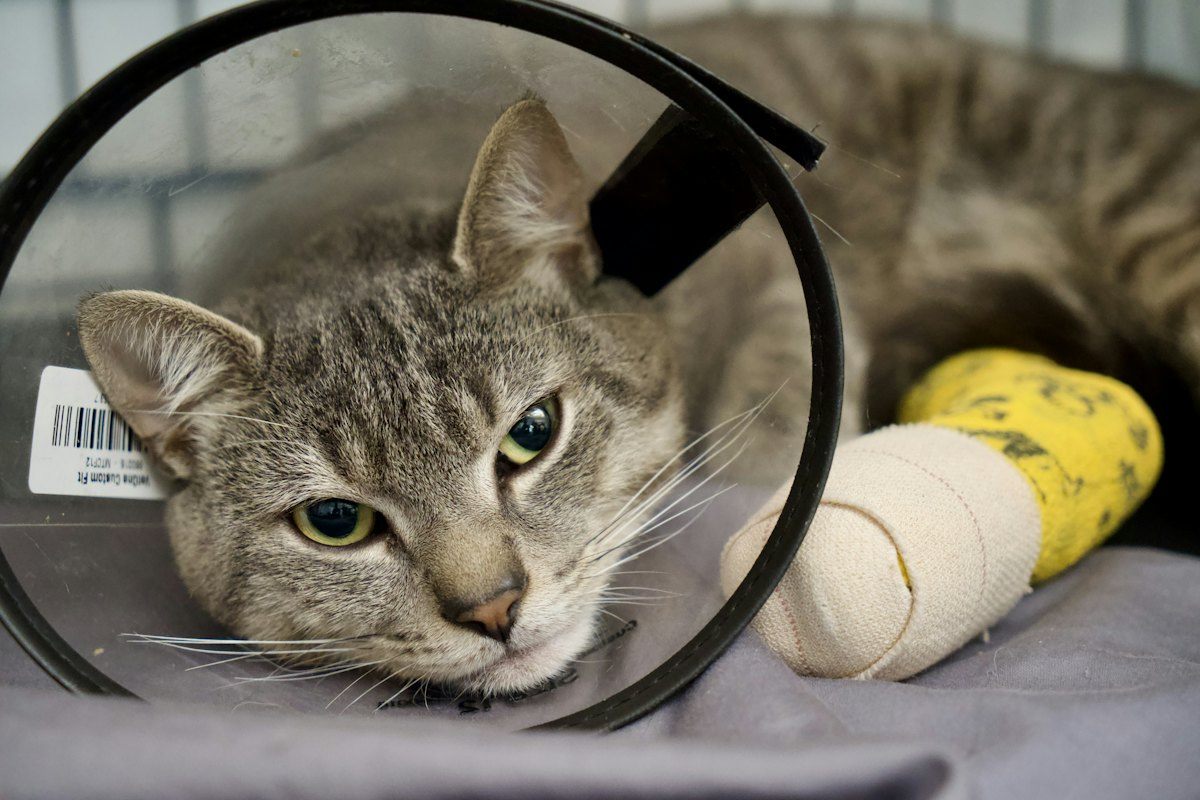
Do and don't for feline ET tube ties
| Do | Don't |
|---|---|
| Tie near the connector and check the lumen | Cinch a tie hard around a small soft tube |
| Tie behind the head | Rely on a maxillary tie on a short muzzle |
| Inflate to minimal occlusive volume with a manometer | Judge cuff pressure by feel |
| Disconnect the circuit before turning | Roll the cat while connected |
| Keep the tie off the pilot line | Extubate with any air left in the cuff |
Choosing a tie for cats
Whatever you use should hold to a small tube, stay visible and come off fast. Trinity disposable ET tube ties were developed by Dr. Billy Davis DVM from more than 23 years in small animal and exotic practice. They do not cling to muzzle hair or soak up saliva, and they reduce tube movement once tied. See every ET tube tie option compared for the alternatives.
FAQ
Should you tie an ET tube behind the head in a cat?
Usually, yes. A cat's short muzzle lets a maxillary tie slip forward. Tying behind the ears holds better and keeps the mouth free.
Can a tie narrow a small feline ET tube?
It can. Tie near the connector, snug rather than tight, and check for kinking, increased resistance or a changed capnogram after tying.
Why disconnect the breathing circuit before turning a cat?
A connected circuit twists the tube inside the trachea. With the cuff inflated, that rotation can tear the tracheal wall.
When should a cat be extubated?
With the cuff fully deflated, just before the swallow reflex returns, to reduce the risk of laryngospasm.
Check bulk pricing and online ordering, contact us about phone or fax orders, or browse all our guides and comparisons.